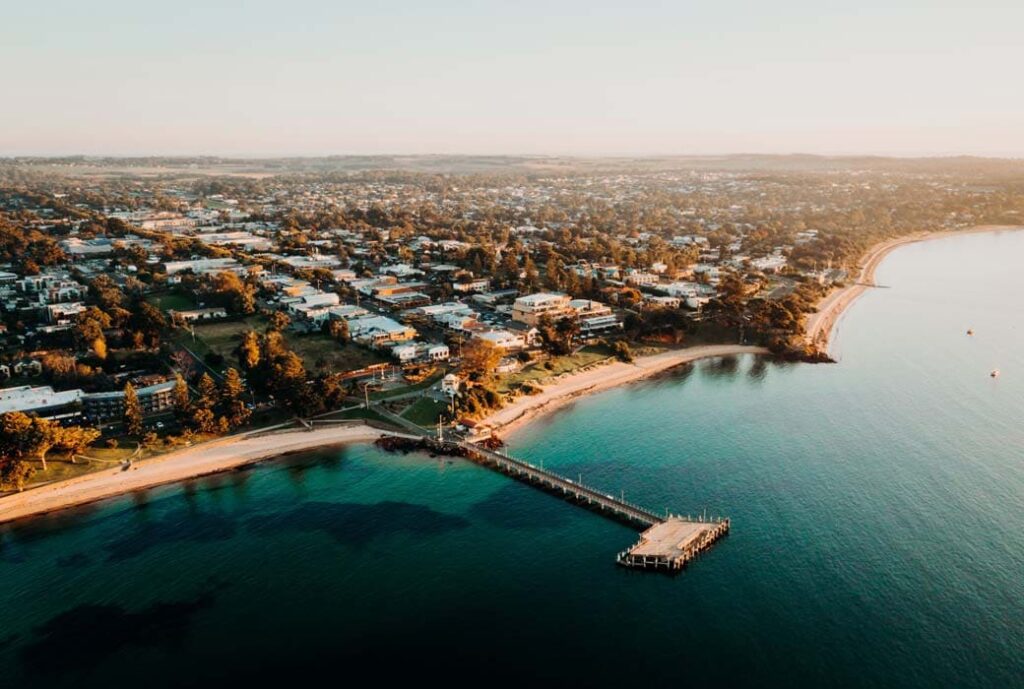
Go on a historical walk around the Cowes town and you will see that it is not just a sight to behold, a place for beach lovers on Phillip island. One can not ignore history in Cowes as there are so many interesting facets of the town that one can engage in. With its inviting roads, enthralling tales and important sites, this town characterizes the old days and modern happenings. This article is your comprehensive guide for the Cowes Town History Walk and provides a particular emphasis on the historical richness of the area and the major attractions that this path covers. If you are a visitor, a lover of history, or a person who would just like to enjoy a walk, this walk will definitely be a good affair that highlights the history in Cowes. In this fortunate coastal town, a quaint known as “the Cowes Town Historical Walk” encompassed in time, let us join you in this geographical venture.
The Historical Significance of Cowes
Early Settlement and Indigenous Heritage
As far as Cowes is concerned is quite exciting as the history of Cowes started a long time when there were Europeans even settled here. Phillip island region was inhabited for thousands of years by the indigenous people, particularly, the Bunurong clan of the Kulin Nation, and therefore possessed a deep spirituality and well developed culture boundary in material practices.
Once the farms and settlements were set up there were alterations in the ecological as well as the demographic composition of the island. The Indigenous culture on the other hand can still be found, showing that there is more history prior to the colonial history. As of now however, there are attempts being made to understand and to appreciate the culture of the indigenous people of the island.
Cowes Development As A Port
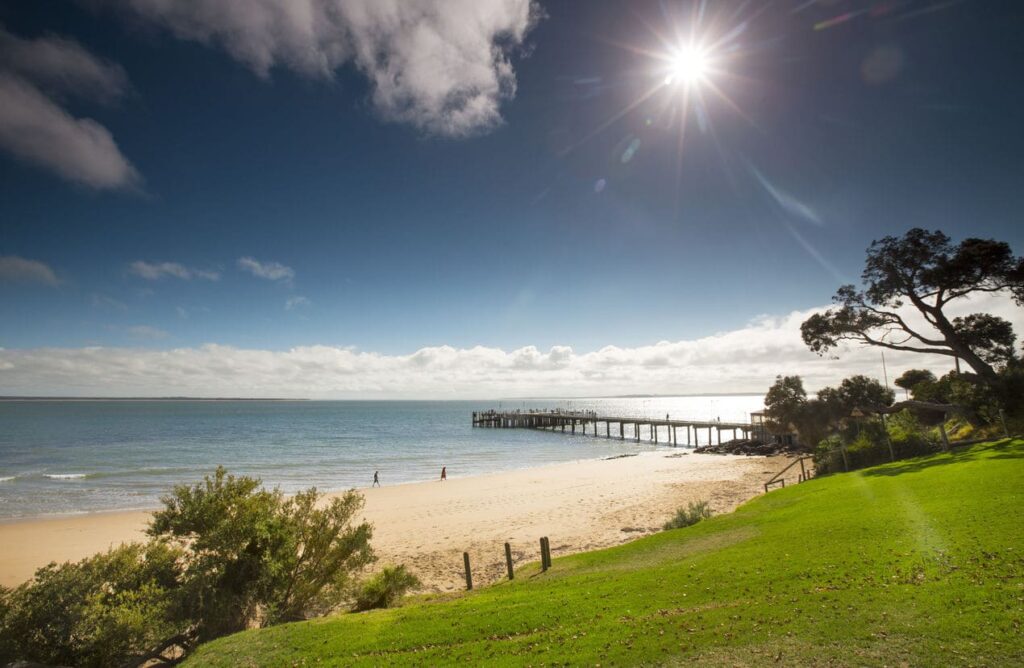
Like many other towns along the Victorian Coast, Cowes emerged as a port town almost in the course of the 1800s. The strategic location of the Cowes Jetty which opened in the late 1870s made it a very important link for goods and services between the island and the main land of Victoria. The steady incoming jetty for people and commodities helped in building Cowes commercial base as a township. The fishing and agriculture industries improved and increased the place’s attractiveness to settlers creating more economic activity. Such development was experienced with the building of other major facilities like the first school and churches bringing about a feeling of togetherness among the people. In Addition, many other factors contributed to the rise of Cowes s a busy seaside resort town as a transformation from the small fishing village that it used to be was inescapable especially in summer when visitors flocked to its beaches.
Landmarks Of Importance Along The History Walk
Cowes Jetty
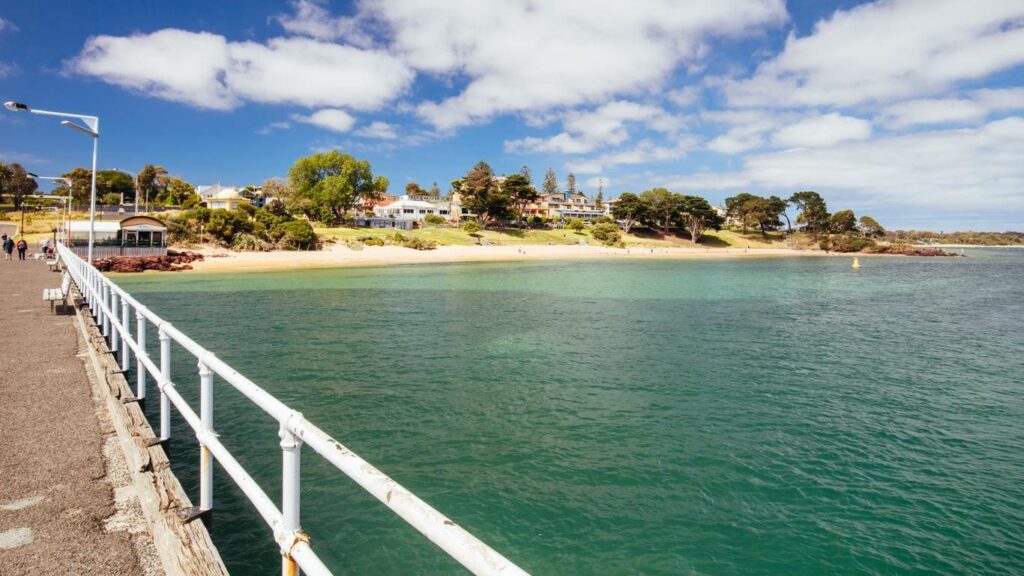
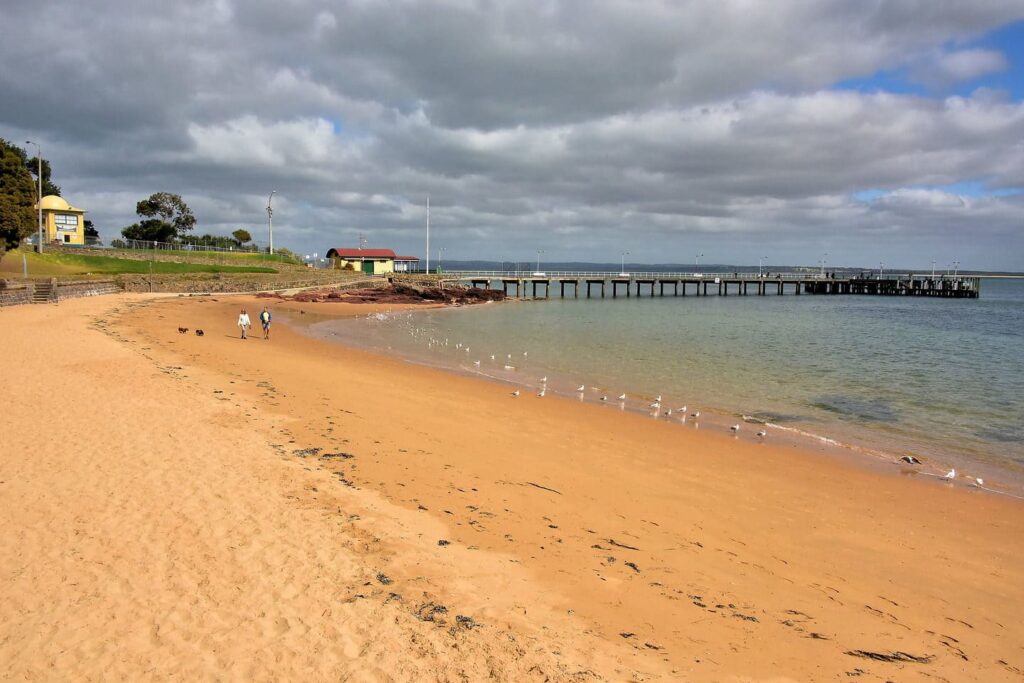
The Cowes Jetty is easily regarded as an important historic feature in the maritime history of Cowes that the community has. It was first constructed to cater for the local fishing community, and now it is a point of convergence for all residents and tourists alike. It has undergone immense transformation over the years, and even though new hones have steadily enhanced the existing facilities, they have not altered the historical significance of the site. People can walk along the jetty and take beautiful photographs of the sea and the scenery around. It is also host to a great deal of activity for those out on the water – fishing and boating – so that the place is alive and busy all day. The jetty has its historical importance in that it explains how Cowes came to be one of the most important shoreline towns in the area’s maritime history.
The Cowes Cultural Centre
Just a few meters from the jetty, the focus changes to the Cowes Cultural Centre which allows one to appreciate the arts and history behind the town. Established in 1998, the cultural center is used for various community activities like events and art shows as well as for educational purposes. The Cultural Centre is also home to some important displays concerning the history of Cowes that demonstrate the endurance of a community. It also supports local artists and emphasizes the significance of including native culture, thereby supporting the Phillip Island traditions. The warm and inviting atmosphere of the place encourages the tourists not only to examine history but also to experience the living culture of Cowes. It is common for visitors to participate in workshops or watch local productions and as such, it is a worthwhile place during the history walk.
The Cowes History Walk Experience
Recommended Route and Time
TThe Cowes Town History Walk offers a lovely course that you will love which takes you to the center of Cowes, uncovering its landmarks and at the same time giving the historical context in its course. Starting from Cowes Jetty, one can take the coastal path towards the Cultural Centre area with substantial stops at the historic places of interest. This is a distance of about 2 kilometers and can be walked in 1.5 to 2 hours on normal walking pace which allows a lot of free time for site viewing. Below is a simplified route layout for your consideration:
- Cowes Jetty
- Cowes Cultural Centre
- Historic Buildings (Old Post Office, churches)
- Local Shops and Cafés
- Parks and waterfront areas
Things Visitors Might Want to Must See
While you make your way along the history walk, there are several points of interest where you can stop and take in the attractions. These additional charges do not come with the main entrance fee but create additional value when trying to kick back and enjoy:
- Cafes and eating places with local foods
- Parks that are good for picnics
- Art installations sculptures in public places
- Photography points with beautiful sceneries
Advice while as you are visiting Cowes
When to Make Mones with Cowes
For one to make good use of the Cowes Town History Walk, it is important to take account of when you are planning your visit. It is commonly agreed that spring and autumn are the most preferred seasons because of their enjoyable range of temperatures which are good for walking. Also during these seasons, Cowes conduct a number of local activities that are geared towards exploring more the town’s history add a touch of playfulness and excitement to the audience. Newzealand gets overwhelmed with visitors during the summer while winter may be quite unpredictable when it comes to the weather. A study of the cultural and social calendar of the residents can assist in planning the timeline of the trip.
Resources for Further Exploration
For those wanting to go in detail about Cowes’ history, there are some sources that can be consulted for that purpose. County Councils and Local Studies libraries will usually hold many volumes of books and material collections regarding the history of Cowes eg Phillip Island History Association. As well try querying on community historians or groups that operate beyond the guide book, sometimes these can be offered by people for whom history has blinked a crag. Others put so many interesting twits in basic historical overviews that it is impossible to take them off without understanding the spirit of the city. These and many other additions are able to make your trip to Cowes an unforgettable one.
Conclusion
Engaging in a historical walk in Cowes town pays the rare opportunity of exploring history, ethnical perspectives and key historical sites that are elements in the development history of this coastal town. While taking in the splendid views, the visitors can also grasp the factors spanning from the Indigenous history and to European settlement within the milieu of rich cultural background that the area has to offer. This journey is not merely about landmarks but rather how one gets to embrace Cowes’ historical narrative. Learning the importance of each site in the walk will create a deeper understanding of the town and its people. Hence, take a historical walk through Cowes town is a journey worth taking regardless of whether one is a history buff or just passing by.
Frequently asked question
Q1: When is the most popular season for visit Cowes and embark on the history walk?
A1: The two best seasons for the history walk at Cowes are spring and autumn when the weather is more friendly for a stroll.
Q2: How long should one expect to take the Cowes history walk?
A2: The Cowes history walk takes approximately one and half to two hours but could go longer if the walkers stop more at the sites or take a slower pace.
Q3: Is it possible to have guided Cowes history walk tours?
A3: Yes, there are selection of these tours available which cover the history of Cowes and inform in some detail on the characteristics of the places.
Q4: Is the Cowes history walk family-friendly?
A4: Surely! The walk about history is conceived to accommodate families and children can take interest in the different points of interest as well. Some sites even have sitting and playing facilities where picnics are also conducted.
Q5: Am I able to undertake a self-guided tour to learn about the history of Cowes?
A5: Indeed, you are at liberty to learn more about the history of Cowes on your own. There are placards and pamphlets that explain the different places of interest that one can view on the walk about in the town.